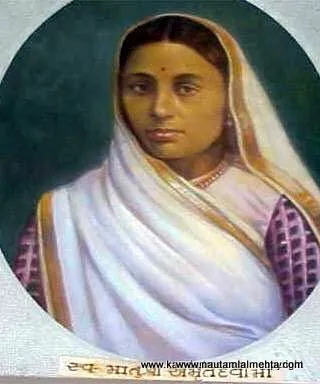
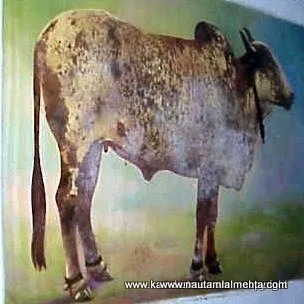
The world’s First Temple was built on the rebirth of a human as a cow, Kamdhenu. True reincarnation occurred when my maternal grandmother, Amrut Kaur Ma, was reincarnated as a cow.
The concept of reincarnation suggests that human life continues through multiple births. When we attempt to evaluate this idea using our existing knowledge, understanding, abilities, and man-made science, we encounter challenges. Reincarnation does not necessarily provide answers to all human questions. One can choose to embrace this belief and live with it or reject it, but the process of reincarnation will persist regardless.
"What does the Vedic text say about 'Kamdhenu Ma' ?"
Kamadhenu, also known as Surabhi, is a divine bovine goddess described in Vedic scriptures as the mother of all cows. She is a miraculous “cow of plenty” who provides her owner with whatever he desires. She is often portrayed as the mother of the other cattle and the eleven Rudras.
This divine cow, which lives in swargalok (heaven), emerged from the ocean of milk (kshira-sagar) at the time of samudra-manthan (the great churning of the ocean by the gods (suras) and demons (asuras). Kamadhenu, the “cow of wishes or desires,” has a bovine body, a female head, polychromatic wings like a tropical bird, and a peacock’s tail.
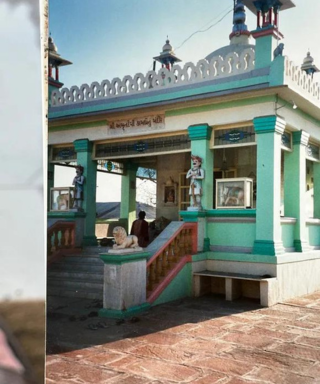
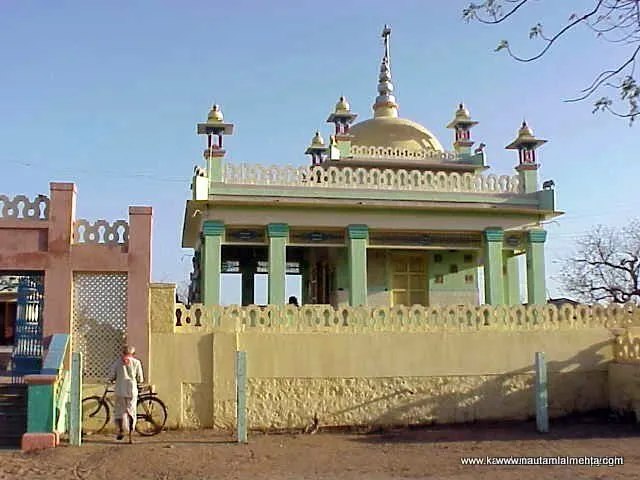
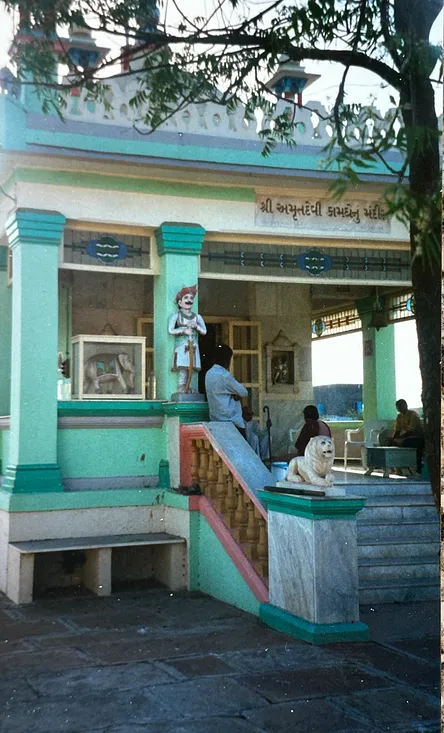
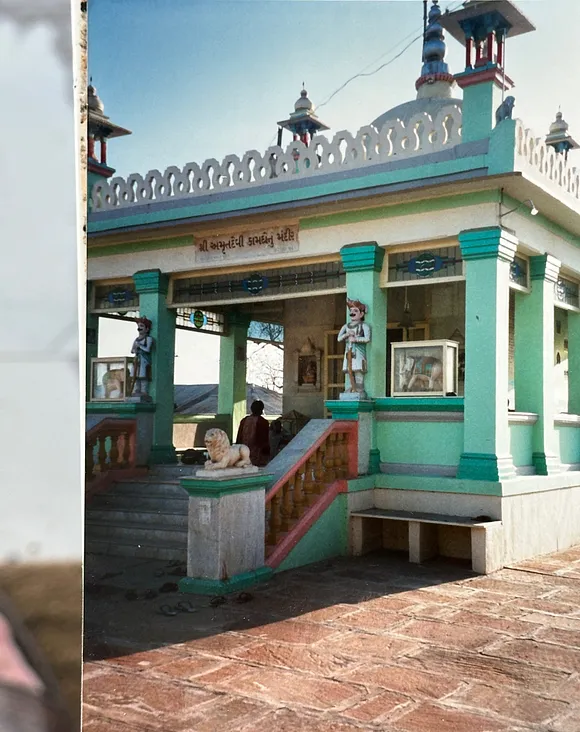
"The world's first and only temple built for a human reincarnated as 'Kamdhenu-Ma' cow is under the redesigned stage. The temple is located in Muli, near Surendra Nagar."
Once we understand our human physiology and its main components, we find that our physical body comprises approximately 75% water, air, earth, fire, and the forces of the sun and planets (Ether).
No scientist can deny that our water comes from the outside, the air (oxygen) we inhale is from outside, our food (earth) also comes from outside, and our metabolism occurs because of air, earth, and water. The fifth point is that the planets influence our minds.
Please note that I would not have used the words “philosophy” or “myth.” For me, it is the natural reprocessing of human elements, and it may be more scientific than humanly possible to put it in a box of artificial science.
Atma is Nirlep. No human can touch it, feel it, or control it. Atma does not have earthly peace, happiness, or a soulmate. Atma does not experience pain or suffering. Therefore, it is very wrong to say, “May his soul rest in peace.”
In many Asian countries, when someone passes away, their body is traditionally cremated. This allows the body to begin the recycling process. During cremation, water evaporates and eventually returns as rain while oxygen re-enters the ecosystem. The cremation fire merges with the environment, and the ashes return to the earth. This recycling process is a tangible example of reincarnation occurring right before our eyes.
“Here’s an example: take a seed from an apple, photograph the apple, and then plant the seed to grow a new apple tree. As the new apple grows on the tree, it’s like a new life, and it’s hard to tell which of the original apples it came from. Similarly, our rebirth occurs in many different lives.”
When we die, our bodies age, and our appearances change. Our rebirth could be as a human or an animal, depending on our karma. When we are reborn, we start anew as a baby. It is impossible to compare someone to our parents or relatives. We may recognize them in later years, but it all depends on our “karma” and the reincarnated person’s past-life memories.
The soul is Nirlap and cannot be touched, not seen, or controlled. it has no feeling, no pain or suffering. Also, it does not require a man to wish “ Rest in Peace.”
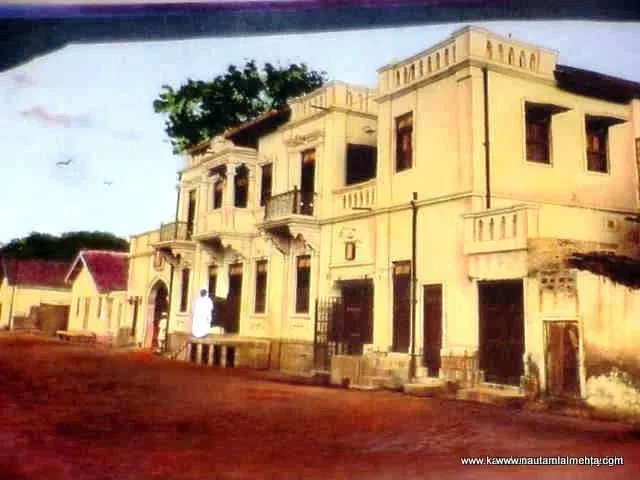
Here is the real factual story
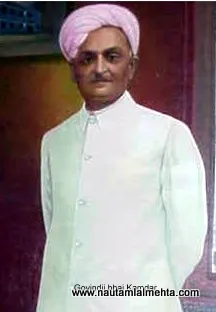
In a Town called Muli near Surendra Nagar (Zalawad), Saurashtra Part of Gujarat, India, around 1921, in the family of Govindji Bhai Popatbhai Kamdar (Parekh) Govindjibhai was Diwan ( Chief advisor) to Muli Maharaja Harishchandra Sihji and Gondal Maharaja Bhojraj sihji.
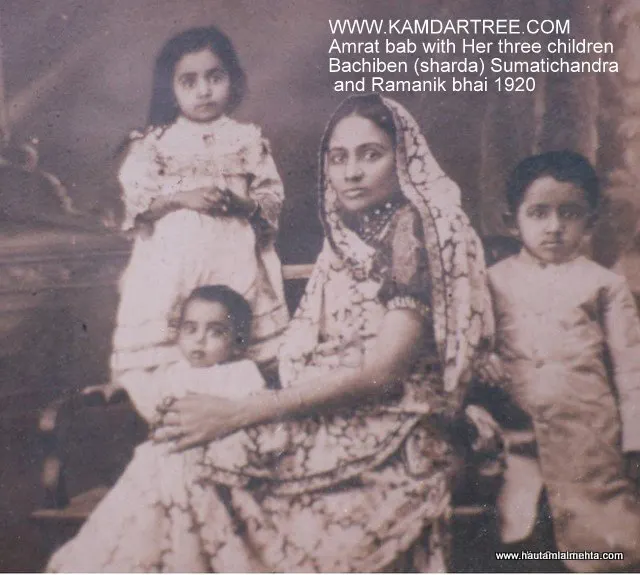
Govindji Bhai was from a very Reputable and Prominent Jain family in Saurashtra. He had three children: two sons and one daughter (my mother). Son Name Ramaniklal Kamdar Rajkot city (Babbhai),; Sumatichandra also from Rajkot ( Nana bhai), born in, and daughter Name Puspa- Sharada-” Bachi.” All born between 1912 to 1922
Govindji Bhais (my maternal Grandfather). His wife’s name was Amrat Kaur ( my maternal grandmother). She was the daughter of Vanmalbhai Shah of Dhoraji and the sister of Mankaur Adenwal, Shivkaur Sanghavi, Mohanlal, Popatlal, and Jatashankar, all of whom were brothers from Dhoraji.( Saurashtra-Gujarat)
Govindji Bhais’ brother, Amrutlal bhai Popatlal bhai Parekh, was a very prominent stock trader in Mumbai, and they still have an office at the Mumbai Stock Exchange that is 120 years old. ( Amrut Popat)
The main reason for sharing the above information is to authenticate the story, establishing its accuracy and credibility from a well-educated, established, and rational family.
This event occurred between 1922 and 1938 and involved the family of the Late Shri Govindji Bhai Kamdar, this essay writer’s maternal grandfather. For most of his life, Shri Govindji Bhai Kamdar served as the Kamdar (chief adviser for state and personal affairs) to the Maharaja of Gondal and Thakore Saheb of Muli.
Amrut Devi Kamdhenu Temple, Actual Photo, Govindji Bapu
In 1921, an event occurred in a small princely state named Muli, near Rajkot. Amrut Kuver Ba, the wife of Govindjibhai, passed away after a brief illness. They had three children: Ramniklal (Bab bhai), Sharda-Pushpa (Bachiben or Amma), and their youngest son Sumatichandra (Nana bhai). When she passed away, all three children were between the ages of 1 and 8.,
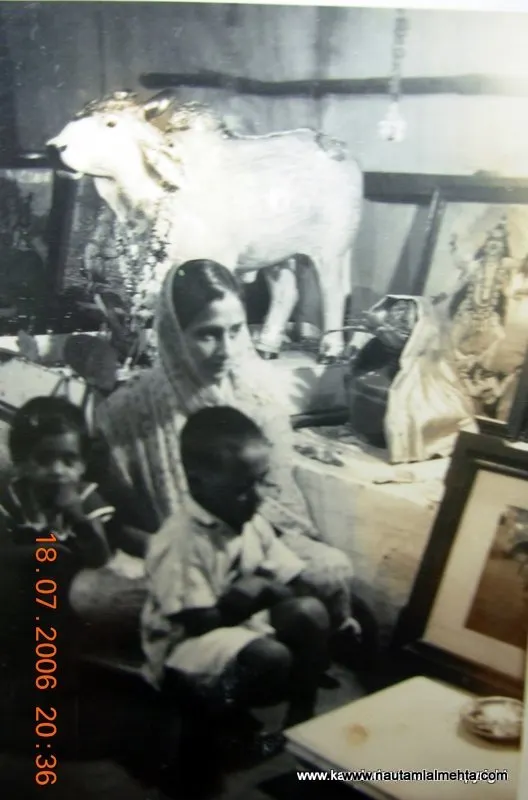
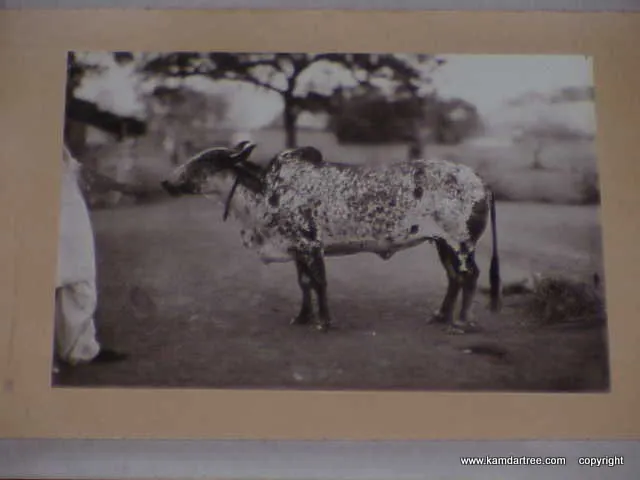
Govindji Bhai had a dream in which his late wife told him she would be reincarnated as a calf to Dhani Ma, the family’s pet cow, within ten months. She even described in Govindji Bhia Dream the future-born calf’s unique markings and the date and month of its birth. Taking the dream seriously, Govindji Bhai awaited the calf’s arrival as described. Although he was an educated advisor and the chief administrator to the Maharaja of Gondal and the Thakore Sahib of Muli, he was surprised by the dream’s accuracy. Dhani Ma dreamed he would give birth to a calf, and his surprise came true. He also noticed a spot on the calf’s body that had been mentioned in the dream. Realizing that this was no ordinary birth, he held a grand celebration to mark the reincarnation of his late wife. He consulted a sage to name the calf, known as “Kamdhenu Ma.” Dhani Ma created a particular room for the cow and adorned her with gold anklets and a chain around her neck, as seen in photographs.
According to Sharda, the daughter of Amrut Ma, who is still alive (she passed away in 2010), Kamdhenu Ma showed her love and shed tears when Sharda returned home from her in-laws. She lived as if she were part of the family and would refuse to eat if the food was not served properly. Amrut Devi’s second son, Sumatichandra bhai, is also still alive. (He passed away in 2004)
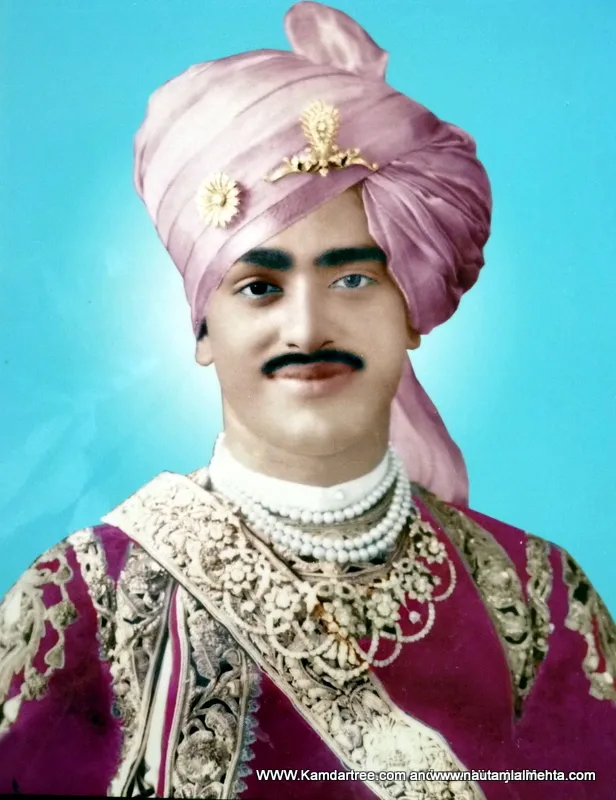
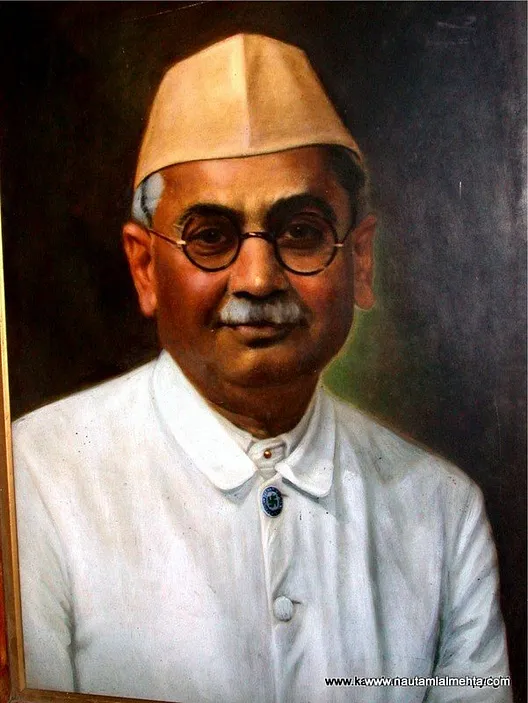
The main contributors to the temple were: Govindjibhai Kamdar. He died in February 1980. His Younger Brother, Amrutbhai Popat bhai Parekh, died in Mumbai in April 1954, and Muli Thakore saheb Shri Harishchandra Sinhji of Muli was sadly demised around 1964.
Photos of the Main Contributors and Icons of Kamdhenu’s Temples.
This temple can only be visited by contacting the Pujari in advance, so he can stay and keep the temple open for visitors.
It is located near Surendranagar town, Muli, on the grounds of the Muli Thakore Saheb palace, approximately 60 miles from Rajkot and 100 Miles from Ahmedabad.
For more information on reincarnation, please explore the following links to learn about various occurrences of reincarnation Worldwide.
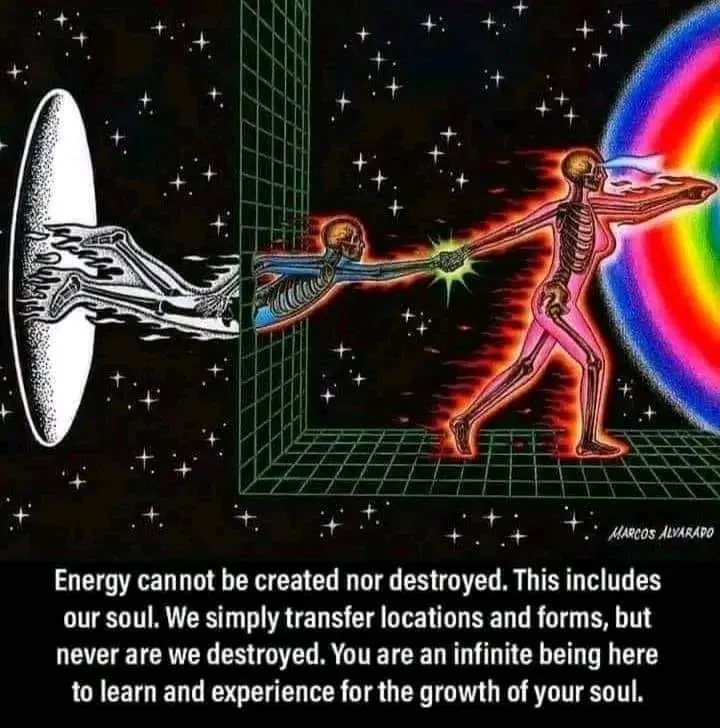
In the Shanti Devi case, even Mahatma Gandhi supported her reincarnation. https://en.wikipedia.org/wiki/Shanti_Devi#:~:text=Shanti%20Devi%20(12%20December%201926,the%20subject%20of%20reincarnation%20research.
Case Categories - Reincarnation Research
The retention of the mindset of the gender of a prior incarnation is demonstrated in this childhood memory…
www.reincarnationresearch.com
The Upanishads are the first scriptures in Hinduism that explicitly mention the Afterlife. The Bhagavad Gita, a renowned Hindu scripture, states that just as a person discards their old clothes and wears new ones, similarly, the Atman discards the old body and takes on a new one. In Hinduism, the belief is that the body is merely a shell, and the consciousness within is immutable and indestructible, taking on different forms in a cycle of birth and death. The end of this cycle is called mukti (Sanskrit: मुक्ति), and staying finally with the ultimate reality forever is moksha (Sanskrit: मोक्ष) or liberation.
The (diverse) views of modern Hinduism, in part, differ significantly from the Historical Vedic religion.[95]Jainism
Interesting story on Great Saint Raman Maharshi and cow attachment to him . https://www.youtube.com/watch?v=M-POLMrAspw&ab_channel=DavidGodman
Jainism also believes in the afterlife. They believe that the soul takes on a body form based on previous karmas or actions performed by that soul through eternity. Jains believe the soul is eternal and that freedom from the cycle of reincarnation is the means to attain eternal bliss.[
Please understand the science of Reincarnation First. Is it possible? I will not say anything; I will explain and let you make the decision.
Discover the concepts of reincarnation, rebirth, and past lives. Discover the truth here.
“The world’s first and only temple built for a cow or animal.”
Kamdhenu Ma
Once we understand our human physiology and its main contents, our physical body comprises approximately 75% water…
www.kamdhenuma.com